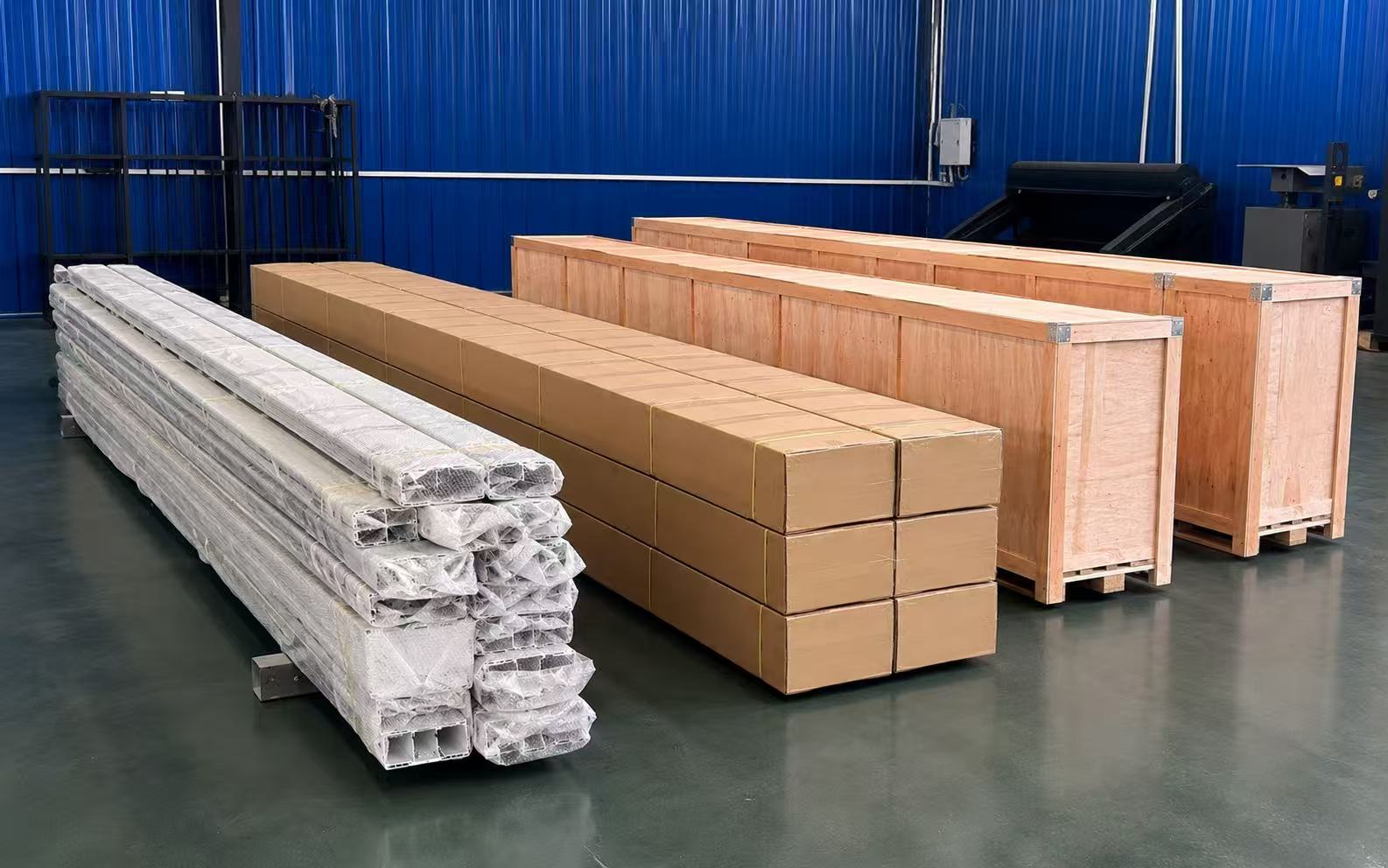
Evaluate a pergola manufacturer by checking whether product claims connect to verifiable profile dimensions, module limits, drawings, production capability, quality-control records, applicable documentation, export packing and after-sales material. A credible supplier should also explain what still requires project-specific engineering rather than presenting every catalogue size as universally approved.
Before contacting a supplier
Prepare one project brief and use it with every candidate. Include dimensions, quantity, destination, use, roof preference, accessories and known site constraints. Without a consistent brief, suppliers may quote different systems and inclusions, making the comparison unreliable.
Ask for evidence relevant to your order type. A dealer considering repeat supply needs product consistency, sample support and media. A hotel or restaurant project needs coordinated drawings, accessories, packing and site-specific review.
The 12-point manufacturer checklist
Clear model architecture
Models should have defined roof operation, profile references, module boundaries and intended project scale.
Profile evidence
Ask for blade, post and beam drawings rather than relying only on lifestyle images.
Module-limit context
A supplier should distinguish a single structural bay from the total area of connected modules.
Project drawings
Confirm what drawings are issued, when they are reviewed and which details require buyer approval.
Production capability
Check factory area, team size, typical capacity, lead-time assumptions and current workload.
Quality control
Ask how incoming material, machining, finish, assembly, motor operation and packing are checked.
Applicable documents
Review the actual CE or other available documents and confirm their relevance to the product and destination.
Accessory integration
Screens, glass, louver walls, lighting and heaters should be coordinated before final production drawings.
Export packaging
Long aluminum profiles, motors, blades and finish surfaces need a documented protection and labelling method.
Installation material
Confirm whether installation drawings, videos and component identification are available.
Sample policy
A paid sample order can test product, packing and communication before repeat dealer supply.
Communication boundaries
Reliable suppliers identify assumptions, unresolved site questions and buyer responsibilities in writing.
Evidence to request
| Area | Useful evidence | Warning sign |
|---|---|---|
| Product | Current model sheet, profile drawing, operating video and real project photos | Only unrelated renderings or copied catalogue images |
| Engineering | Module drawing, connection details and a list of site inputs required | One size claimed suitable for every location |
| Factory | Current workshop information, team, capacity and lead-time basis | Claims that cannot be tied to the production site |
| Quality | Inspection stages, photos or records for the actual order | No defined check before packing |
| Compliance | Applicable documents provided for review | Logo screenshots without the underlying document |
| Export | Packing photos, package list, labels and shipment basis | No plan for protecting long profiles and finished surfaces |
Example of a transparent factory fact sheet
A fact sheet should state numbers together with their scope and assumptions. Current JY Home Shade information is presented as follows:
- Production location: Foshan, Guangdong, China.
- Production area: approximately 3,000 m².
- Production team: 48 employees.
- Typical monthly capacity: approximately 100–200 pergola sets, depending on configuration and order mix.
- Typical production lead time: 20–25 days after drawings and order details are confirmed.
- Minimum order can start from one sample set, subject to configuration and shipping arrangements.
- CE documentation is available for applicable product and project review.
- Dealer support can include paid samples, installation videos and approved product media.
These figures should not be interpreted as a guarantee for every order. Capacity and lead time must be confirmed against the exact quantity, finish, accessory content and production schedule.
Why engineering boundaries build trust
A manufacturer can provide model references, product documents and project drawings, but foundation design, local wind or snow criteria, permits and installation compliance depend on the project location. Treating catalogue dimensions as automatic approval for every site is a warning sign. A better process records the assumptions and identifies what must be confirmed locally.
Additional checks for dealers
- Can the supplier keep model names, profiles and finishes consistent across repeat orders?
- Is there a process for sample orders and feedback before regular supply?
- Are installation videos, approved images and basic sales materials available?
- How are spare parts, motor issues, damaged packages and replacement components handled?
- Can quotations separate standard products from project-specific custom work?
Questions to send in the first email
- Which model and profile system do you recommend for this exact module layout, and why?
- What is included in the quotation and what remains optional?
- Which drawings and approvals are required before production?
- What current lead time applies after confirmation?
- What quality checks and export packing method will be used?
- Which documents, installation materials and after-sales support are available?
This checklist combines general supplier due diligence with the current JY Home Shade product and factory workflow. Buyers should independently verify documents, project suitability and commercial terms before ordering.
Technical review: JY Home Shade factory product team · Last reviewed: 26 August 2026